8 hr
Zanzibar to Selous Game Reserve Day Safari with Bush Lunch
- Expert local guide
- Small group
- Skip-the-line access
- Free cancellation
Zanzibar to Selous Game Reserve — Fly-In Safari Tickets & River Boat Drives
Fifty minutes by air, ten thousand square kilometres of river and dust.
Compare fares, pick the fit — all bookings are mobile-voucher and eligible for free cancellation where shown.
8 hr
48 hr
6 hr
| Experience | Duration | Rating | Pickup | Lunch | Skip-the-line | Guide | Price | |
|---|---|---|---|---|---|---|---|---|
|
Guided Experience
Most popular
Zanzibar to Selous Game Reserve Day Safari with Bush Lunch
|
8 hr | ★ 4.8 | ✓ | ✓ | ✓ | ✓ | €391 | Book → |
|
Guided Experience
Zanzibar to Selous: 2-Day Fly-In Safari with Overnight Bush Lodge
|
48 hr | ★ 5.0 | ✓ | ✓ | ✓ | ✓ | €690 | Book → |
|
Guided Experience
Selous (Nyerere National Park) Day Safari from Zanzibar with Flights & Lunch
|
6 hr | ★ 4.8 | ✓ | ✓ | ✓ | ✓ | €469 | Book → |
Worth it overnight, rarely worth it in one day
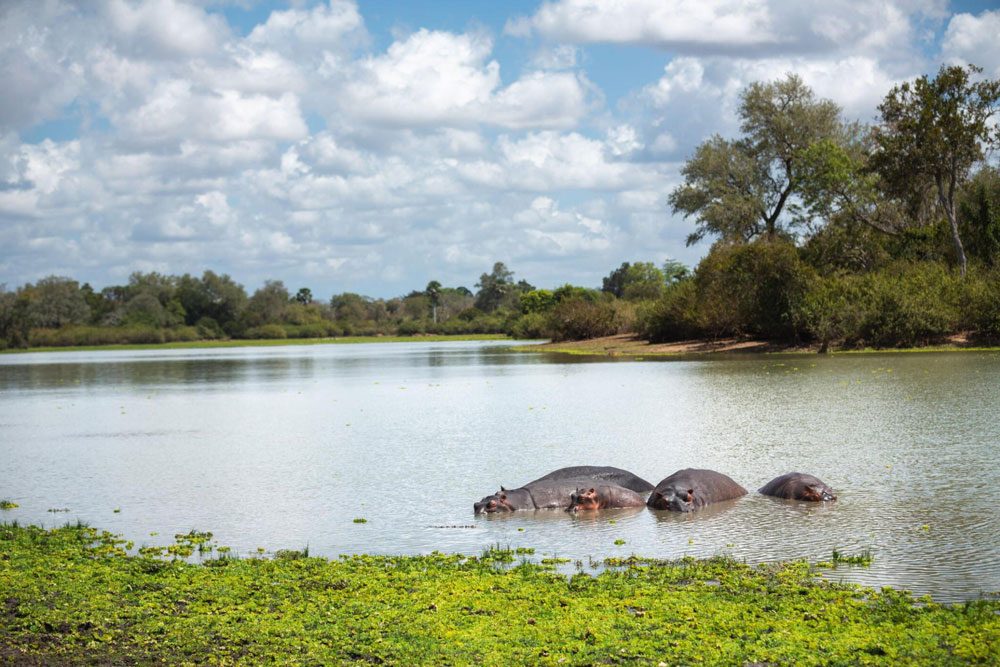
The park fee itself is modest: 50 USD per foreign adult per day, paid at the gate that opens 06:00 and closes 18:00. What you actually pay for on a selous safari from zanzibar is everything wrapped around that fee — the flight or road transfer, the vehicle, the guide, the boat. That package is where the money goes, and it only pays off if you give it enough hours. Nyerere National Park is vast, and its draw is the Rufiji River system: boat cruises past hippo pods and crocodiles, sand rivers, doum palms, and a wilderness feel you will not find in a fenced-off day attraction. Book Selous Game Reserve tours as an overnight and the value math works cleanly. First-timers and couples get the most from it; repeat safari visitors come for the boat work rather than big-cat counts. Aim for the 06:00–09:00 window for best light and cooler temperatures.
Bottom line: Buy selous safari from zanzibar tickets for two days if you can, and skip the one-day tour entirely if you cannot.
They complement each other, but most travelers who compare selous safari from zanzibar with Mikumi National Park choose Selous for a wilder reserve feel and Mikumi for the easier, shorter logistics. If you want the stronger wilderness atmosphere and can spare more transit time, Selous wins; if you want the simplest short safari from the island, Mikumi is the easier fit.
|
Top pick Selous Game Reserve |
Mikumi National Park | |
|---|---|---|
| Travel time from Zanzibar | Longer; flight + transfer | Shorter; direct flight options |
| Wildlife feel | Vast wilderness, riverine | Open plains, easier sightings |
| Crowds | Generally quieter | More day-trip traffic |
| Best for day trip | Possible, but long transit | Better fit |
| Best for 2 days | Better, more rewarding | Good, but less remote |
| Transfer complexity | Higher; more moving parts | Lower; simpler routing |
| See tickets & prices |
Verdict: For selous safari from zanzibar, Selous suits travelers who want a bigger wilderness experience, while Mikumi is the better choice when time and transfer simplicity matter most.
Hand-picked experiences loved by thousands of travelers
Full day
Free Cancellation
Fly from Zanzibar to Selous Game Reserve for a full day of game drives, lunch, and wildlife spotting on the mainland.
10 hours
Free Cancellation
Fly from Zanzibar to Selous for a full day of game drives, bush lunch and big-game spotting.
8 hours
Free Cancellation
Fly from Zanzibar to Nyerere National Park for a full day of game drives and a bush lunch.
2 days
Free Cancellation
Fly from Zanzibar to Nyerere National Park for a 2-day safari with game drives and a river cruise.
3 days
Free Cancellation
3 days from Dar es Salaam: game drives, Maasai culture, and a sunset boat safari with wine.
3 - 5 days
Free Cancellation
Fly from Zanzibar into Nyerere National Park for game drives, a bush walk and a Rufiji River boat safari.
3 days
Free Cancellation
Fly from Zanzibar into the Selous wilderness for two full days of game drives, bush lunches and lodge nights.
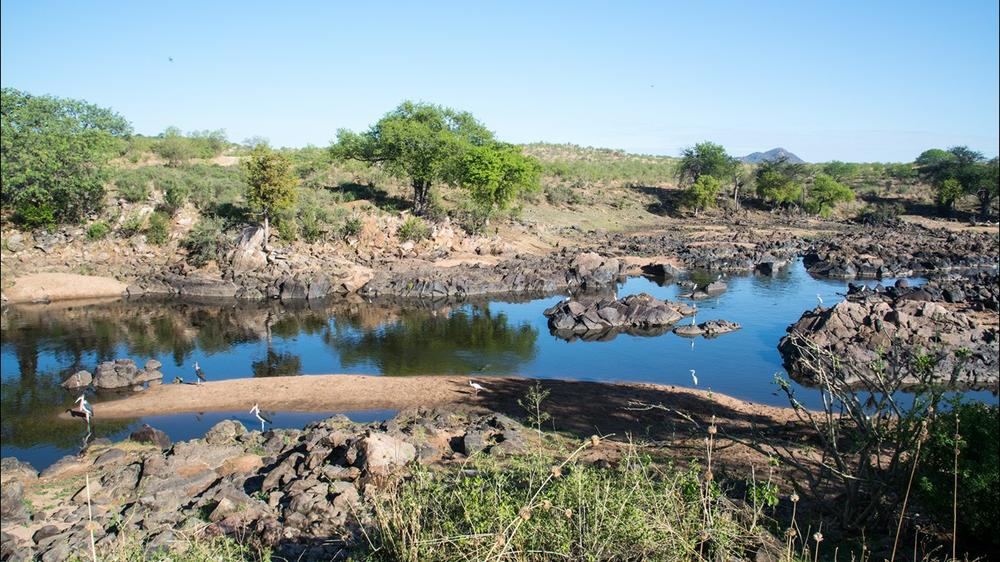
The Rufiji is the reserve’s signature waterway and supports boat safaris, birdwatching, and wildlife viewing from the riverbank. TAWA notes the reserve’s river system as one of the reasons the landscape supports boating and sport fishing.
Lake Utunge is one of the water-focused spots named by the reserve authority, and it is tied to boat safari activity. The reserve also highlights Kihurumila dam as another water-based wildlife area, which shows how central wet habitats are here.
Kihurumila dam is mentioned by TAWA as a place for boat safari and sport fishing. In a reserve of about 18,000 sq. km, these smaller water bodies matter because they draw animals during hotter periods.
TAWA identifies the meeting point of River Ulanga and Ruaha as part of the Rufiji river system. Confluences like this are productive viewing zones because animals and birds concentrate where water channels meet.
The Matandu River corridor is one of the reserve’s named photographic-tourism areas. River edges in Selous are especially useful for spotting hippos, crocodiles, and mixed birdlife without deep off-road driving.
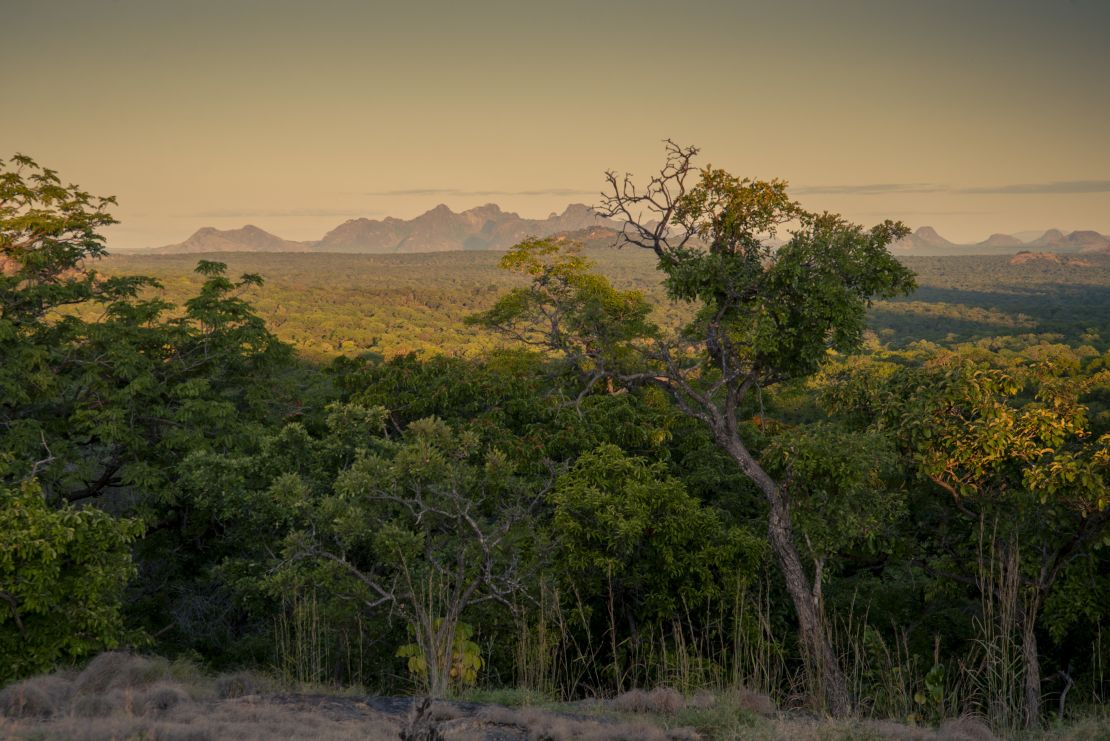
Miombo woodland is one of the habitat types listed for the reserve, alongside grasslands, riverine forest, and swamps. That habitat mix is why Selous supports both large mammals and a strong bird list.
The reserve’s riverine forests provide shade and shelter near waterways, especially in hotter months. TAWA describes the habitat diversity as a key feature of the reserve’s ecological value.
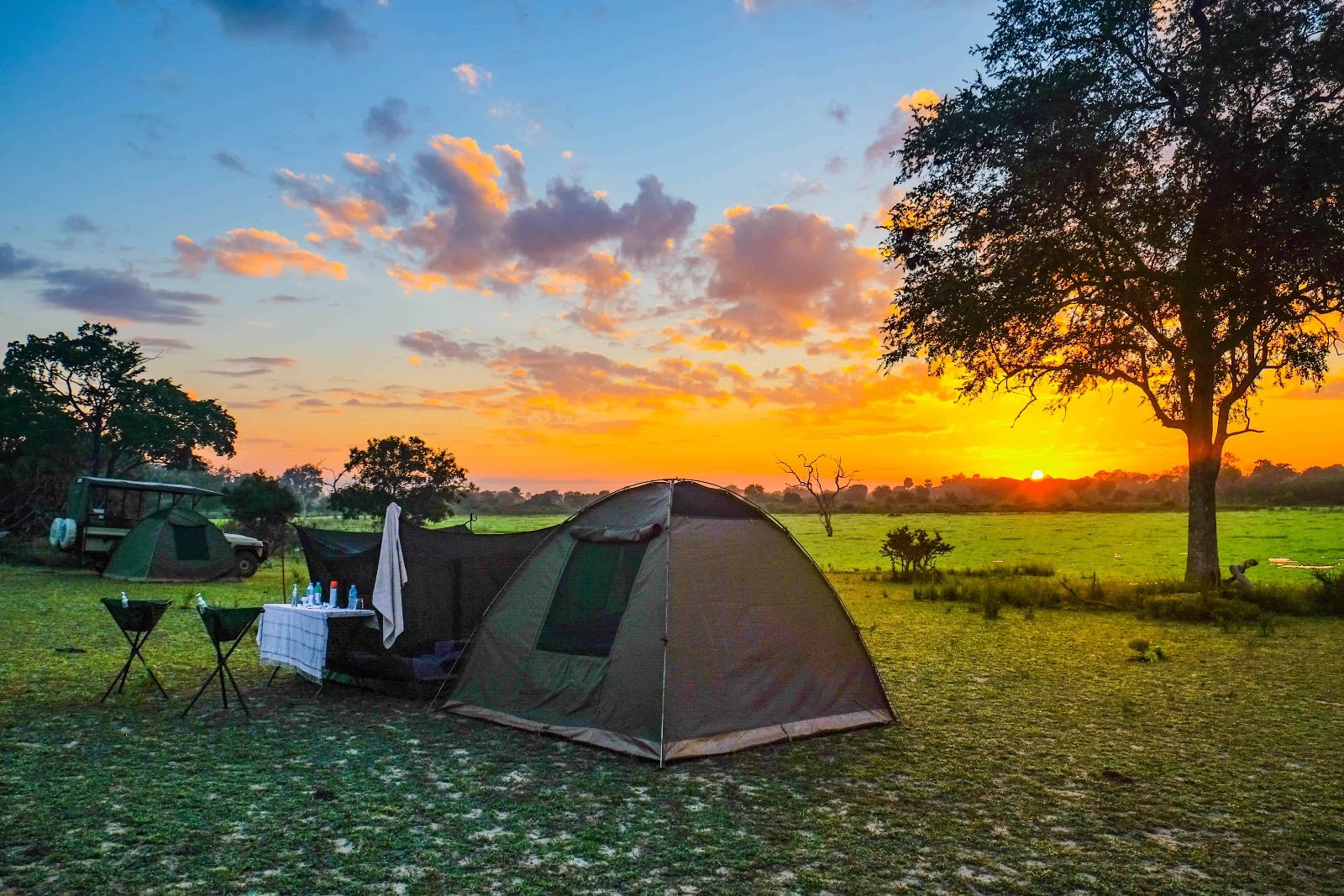
Selous includes public and special campsites for visitors who are staying overnight in the reserve. The camping setup reflects its wilderness character, with fewer fixed facilities than a city park.
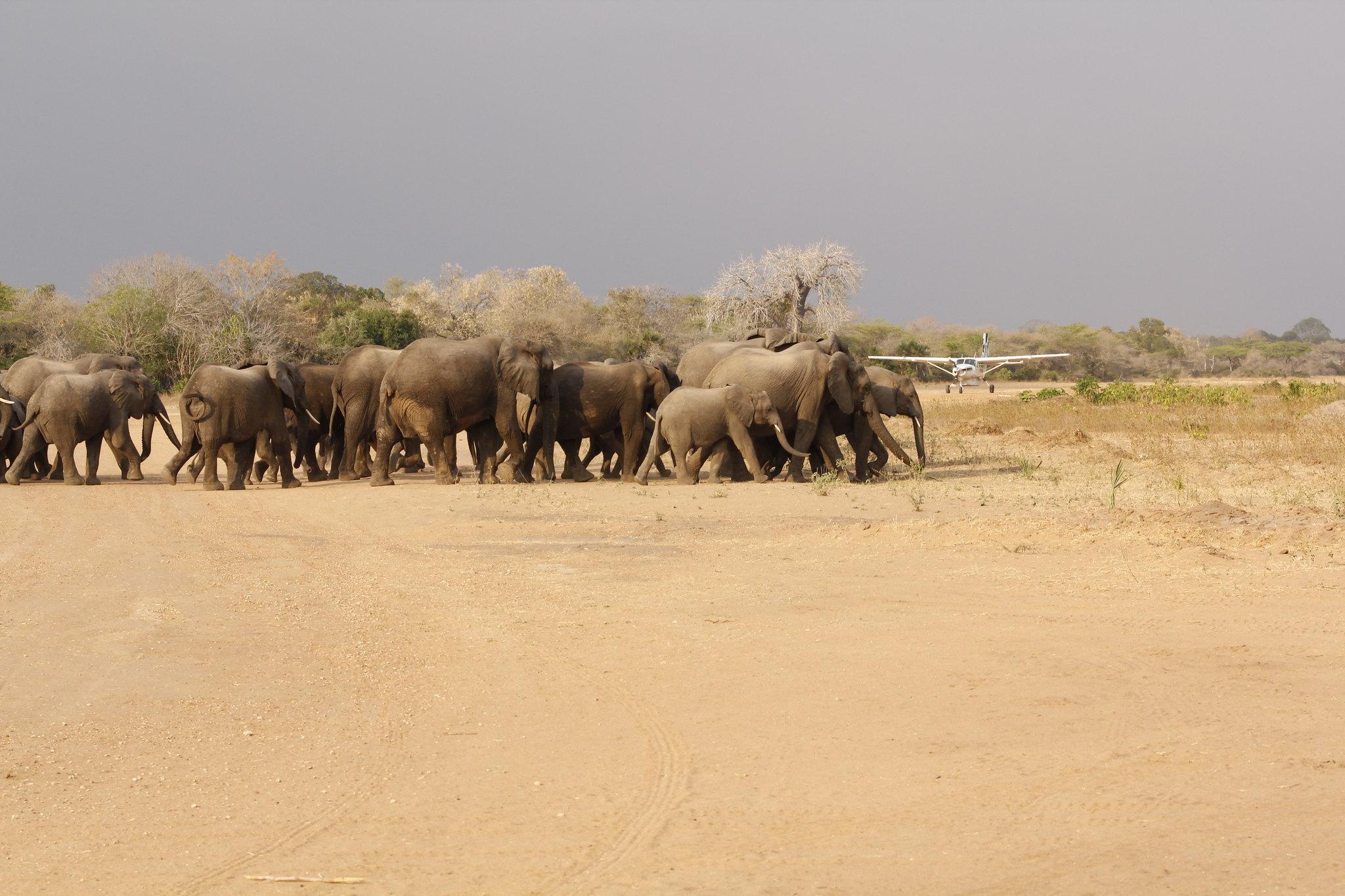
You are awake before the island is. The transfer to the airstrip happens in the dark, and by the time the twin-engine Cessna banks over the channel the sun is coming up somewhere behind Bagamoyo. Fifty minutes later the wheels touch red gravel.
The best arrival window is 06:00–09:00, when the light stays low and the air is still cool enough for animals to move.
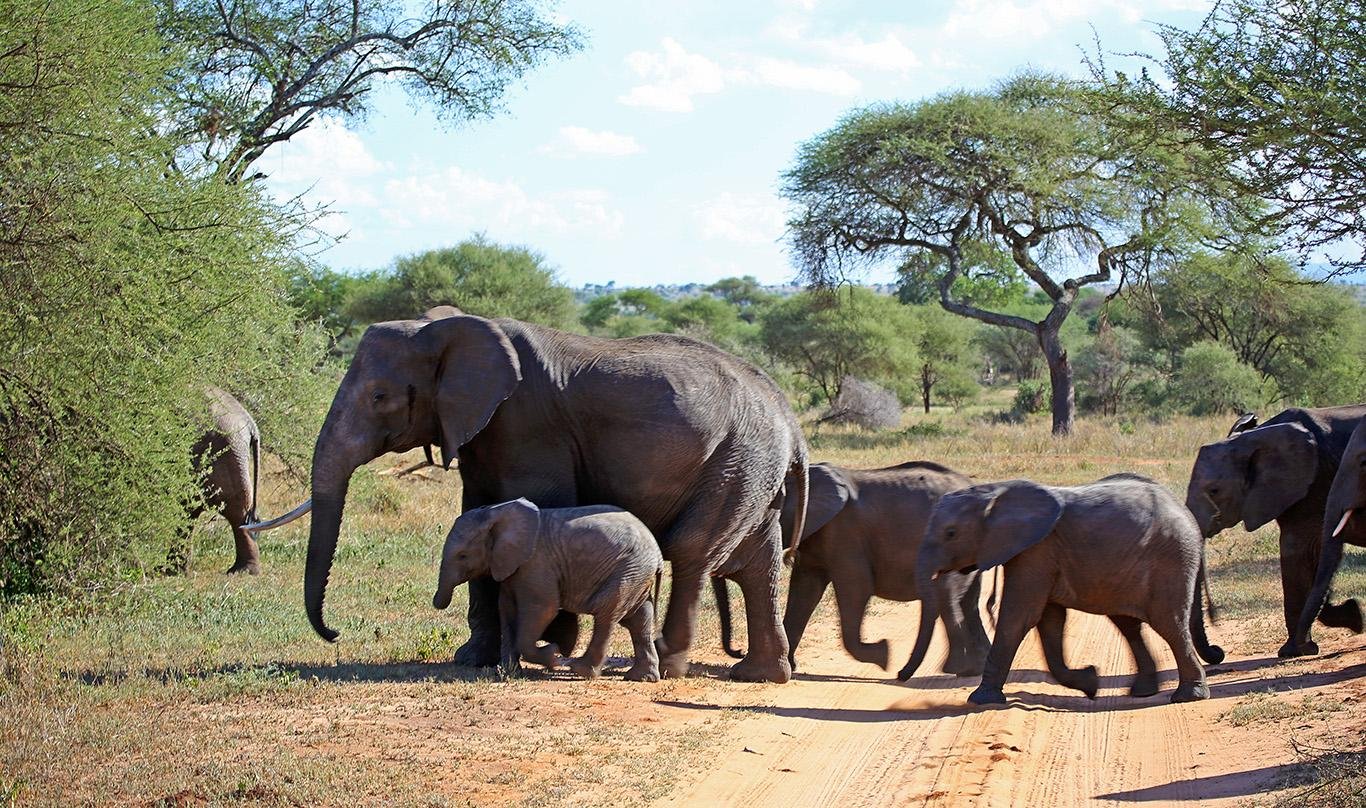
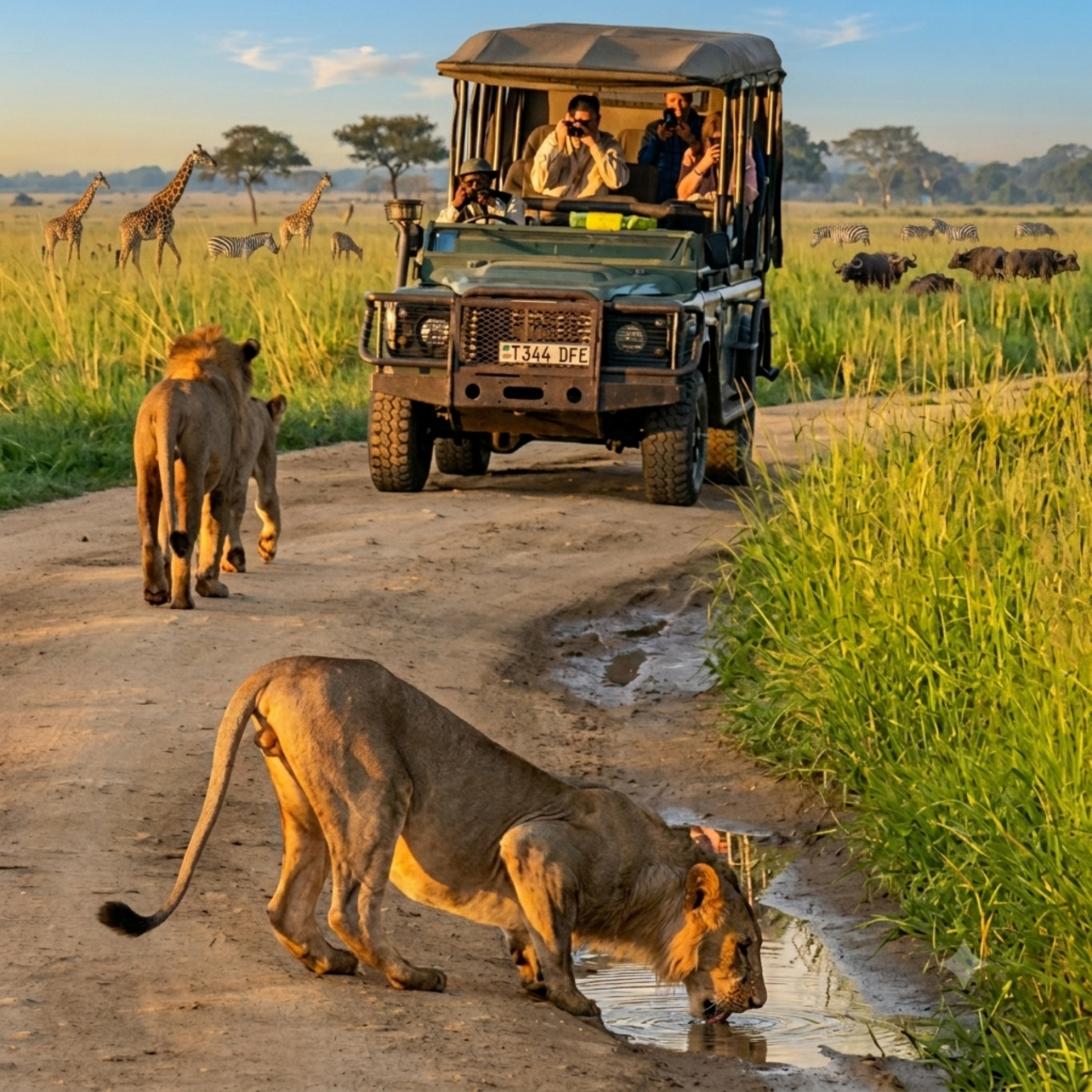
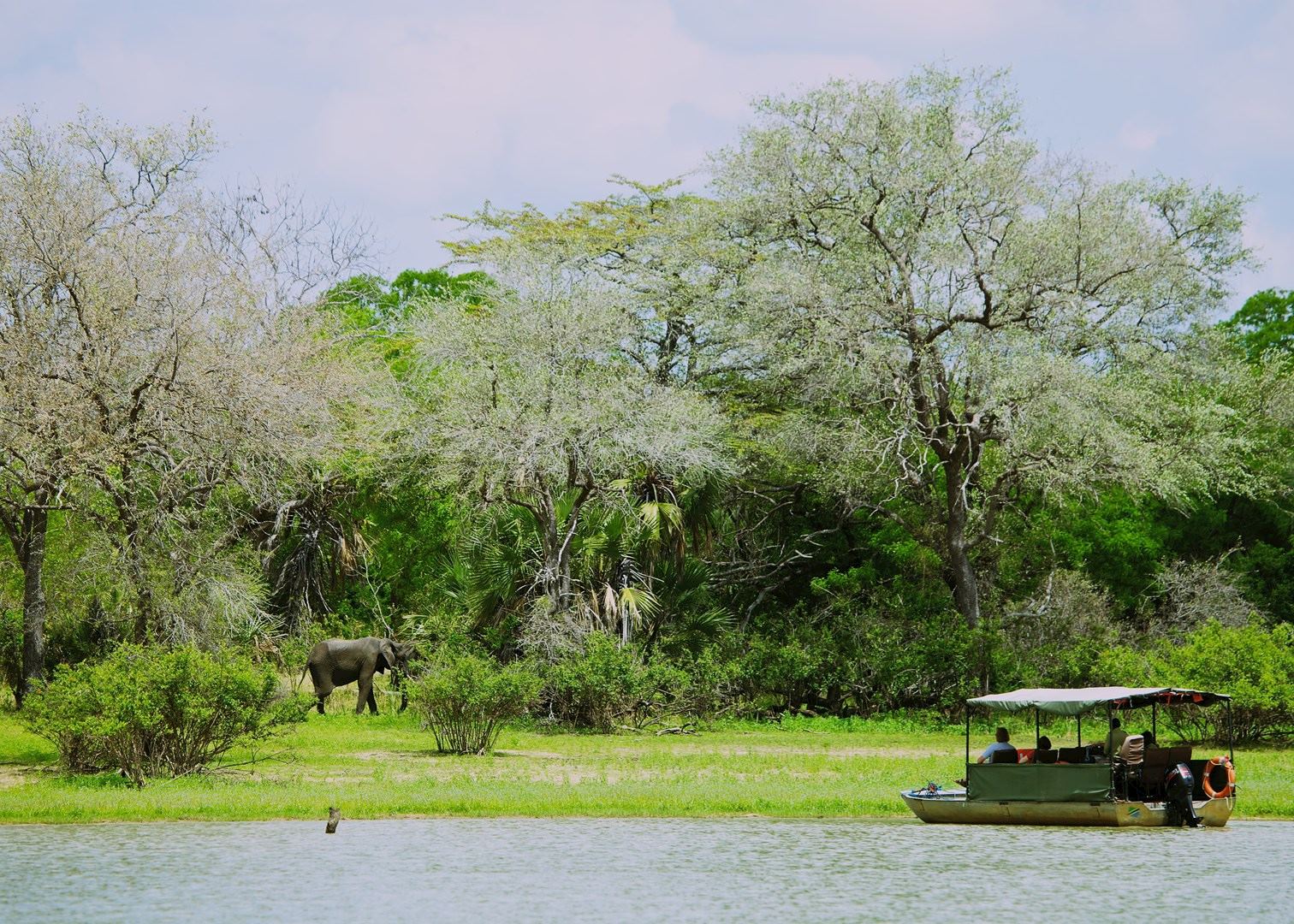
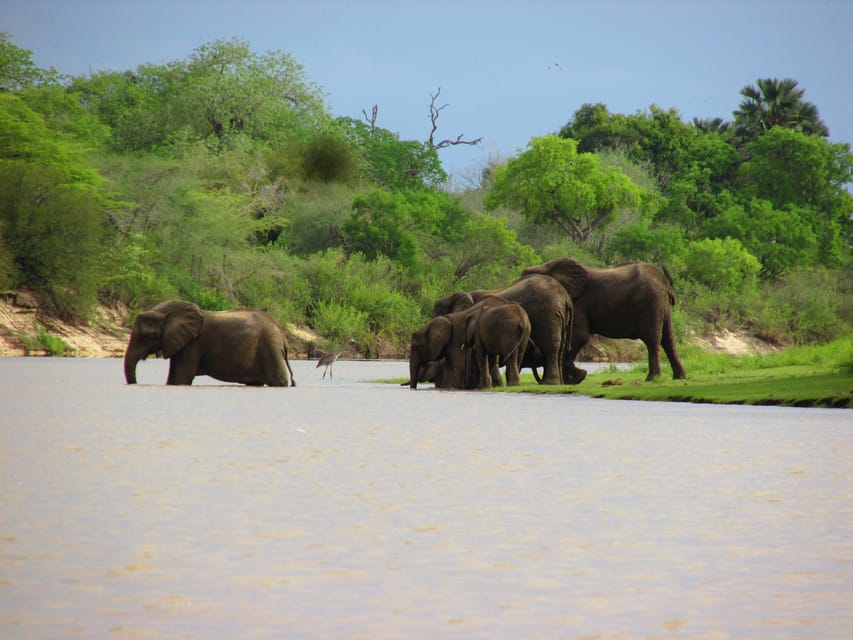
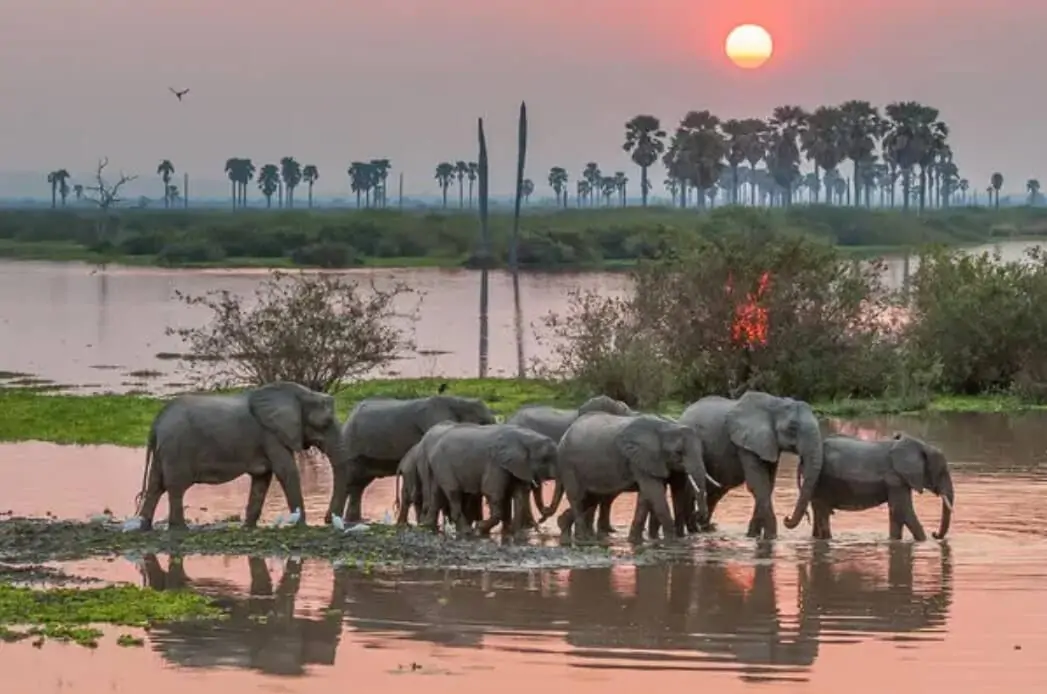
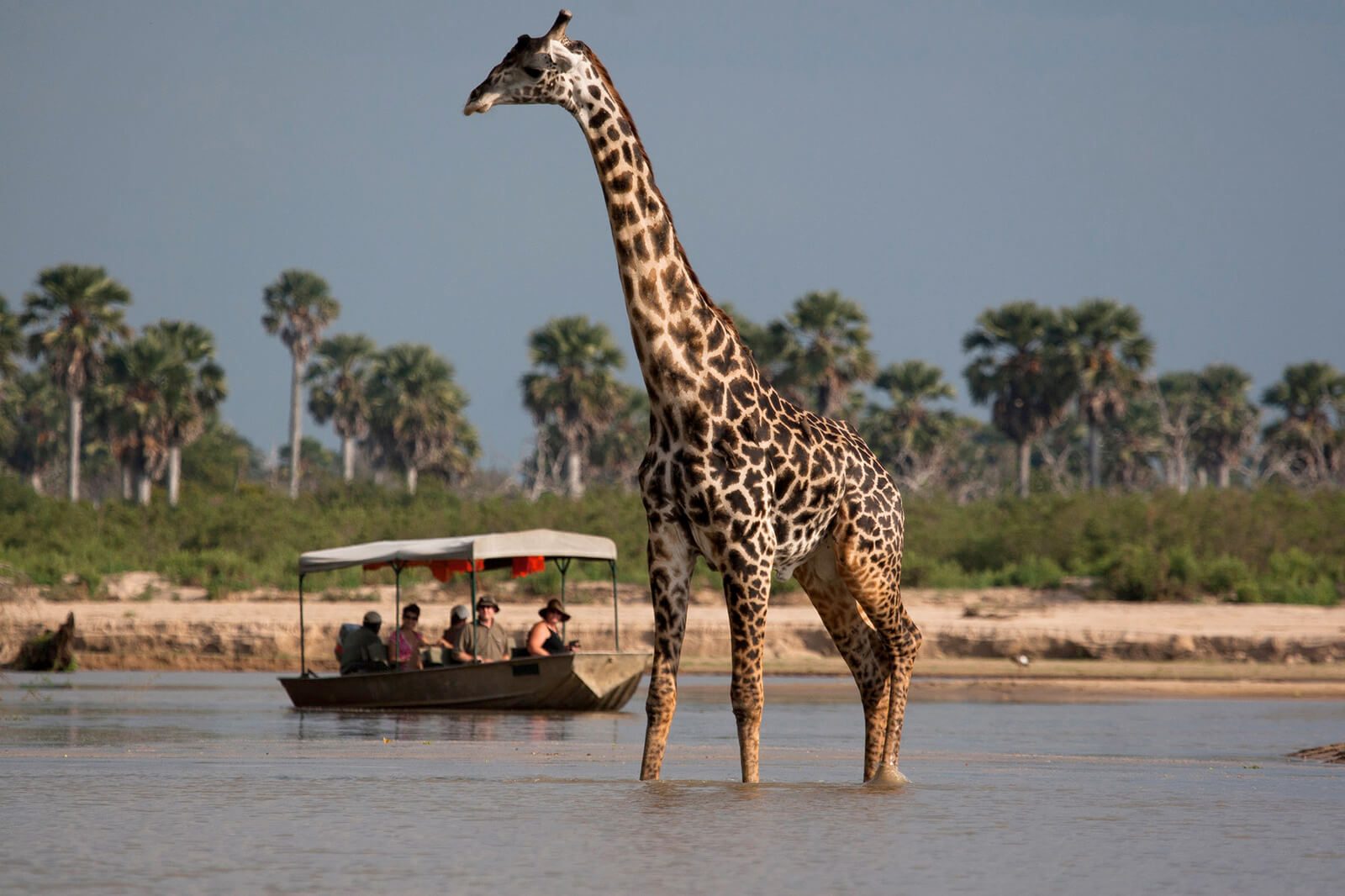
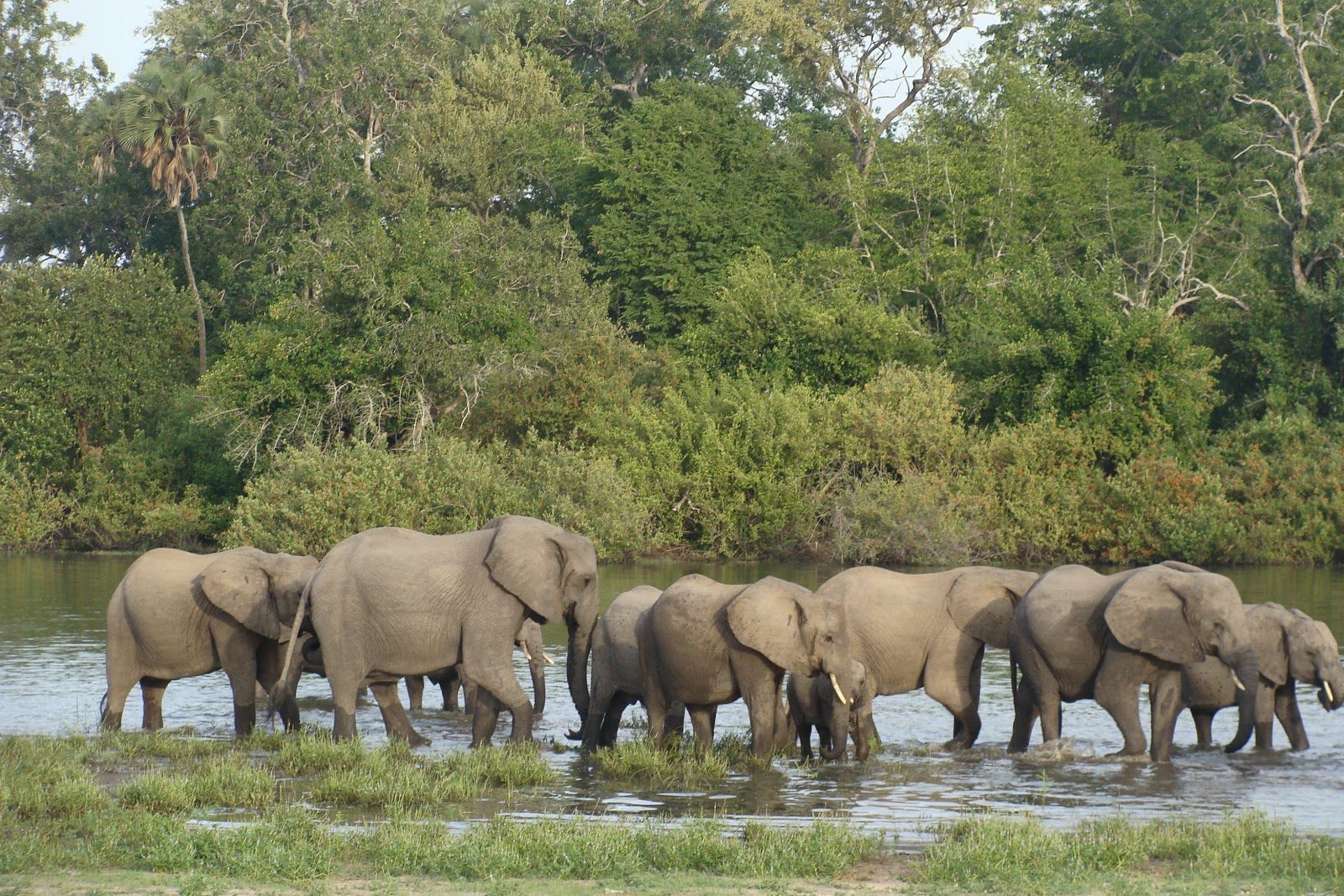
Your guide clears the permit at the gate — 50 USD per foreign adult per day — and the vehicle drops into the woodland. You sit high. You stop for a martial eagle on a dead borassus palm, for elephant crossing single file, for the smell of wild sage crushed under the tyres. By mid-morning you are on the Rufiji itself, in a flat aluminium boat, close enough to hear a hippo exhale.
You eat under a fig tree. The afternoon returns you to the lakes, where crocodiles hold the sandbanks and skimmers cut the shallows. On the flight back — being the closest safari to Zanzibar is what makes a single day possible at all — you watch the delta unspool below, and the gates close behind you at 18:00. A Selous safari from Zanzibar tour ends where it began, on the coast.
All the details about your upcoming adventure in one place
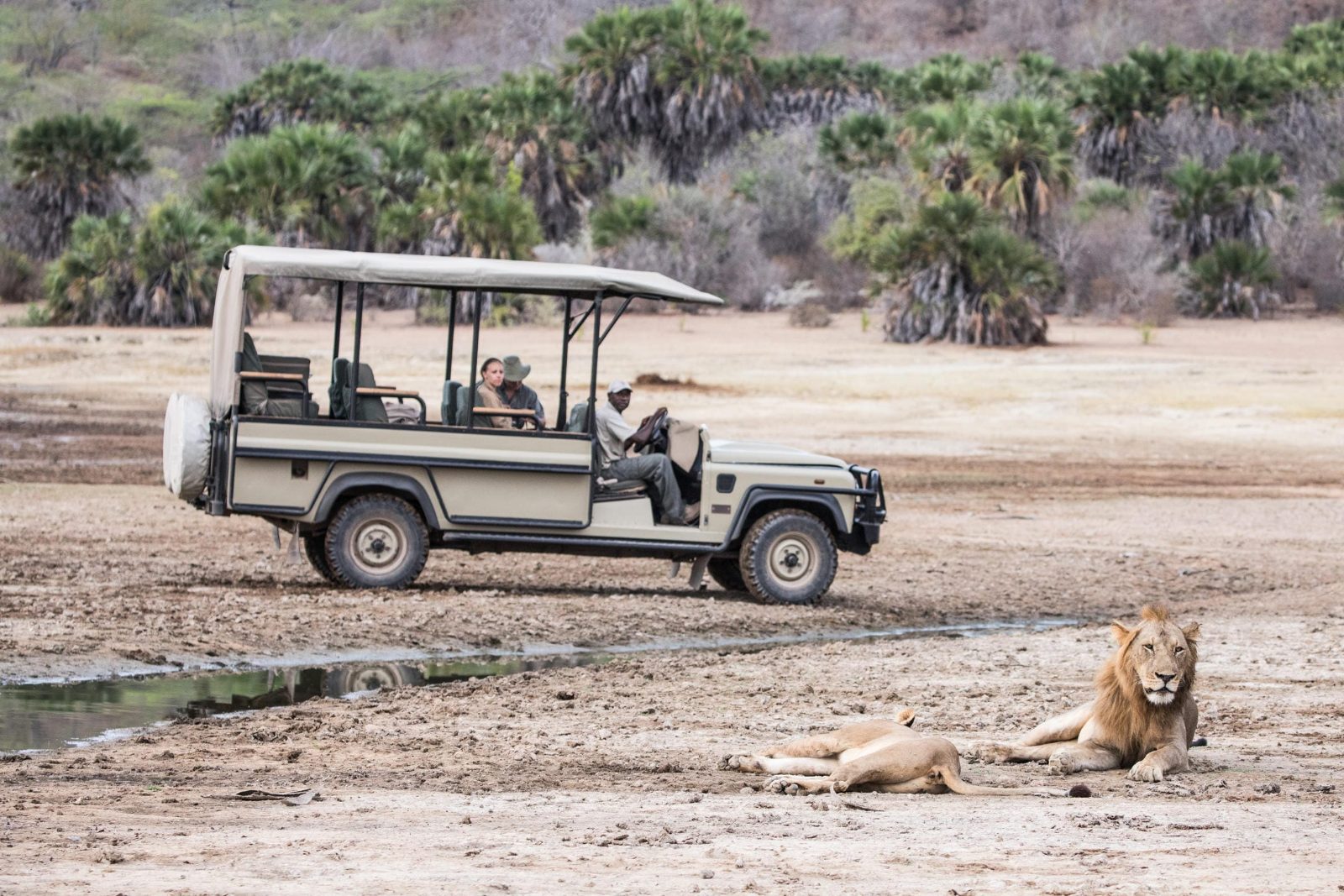
A selous safari from zanzibar trades the reef for Nyerere National Park, the UNESCO-listed wilderness carved from the original Selous Game Reserve and threaded by the Rufiji River. A light aircraft crosses from the island to a bush airstrip near Mtemere Gate in about 45 minutes, where open 4x4 vehicles and a river boat pick up the day between hippo pools, elephant herds and resident wild dog packs. Most selous safari from zanzibar tours pair that boat cruise with morning and afternoon game drives, and park fees are handled by your operator before you board.
Gazetted in 1896 and named after the hunter-naturalist Frederick Courteney Selous, the reserve once spread across some 50,000 square kilometres — ground larger than Switzerland.
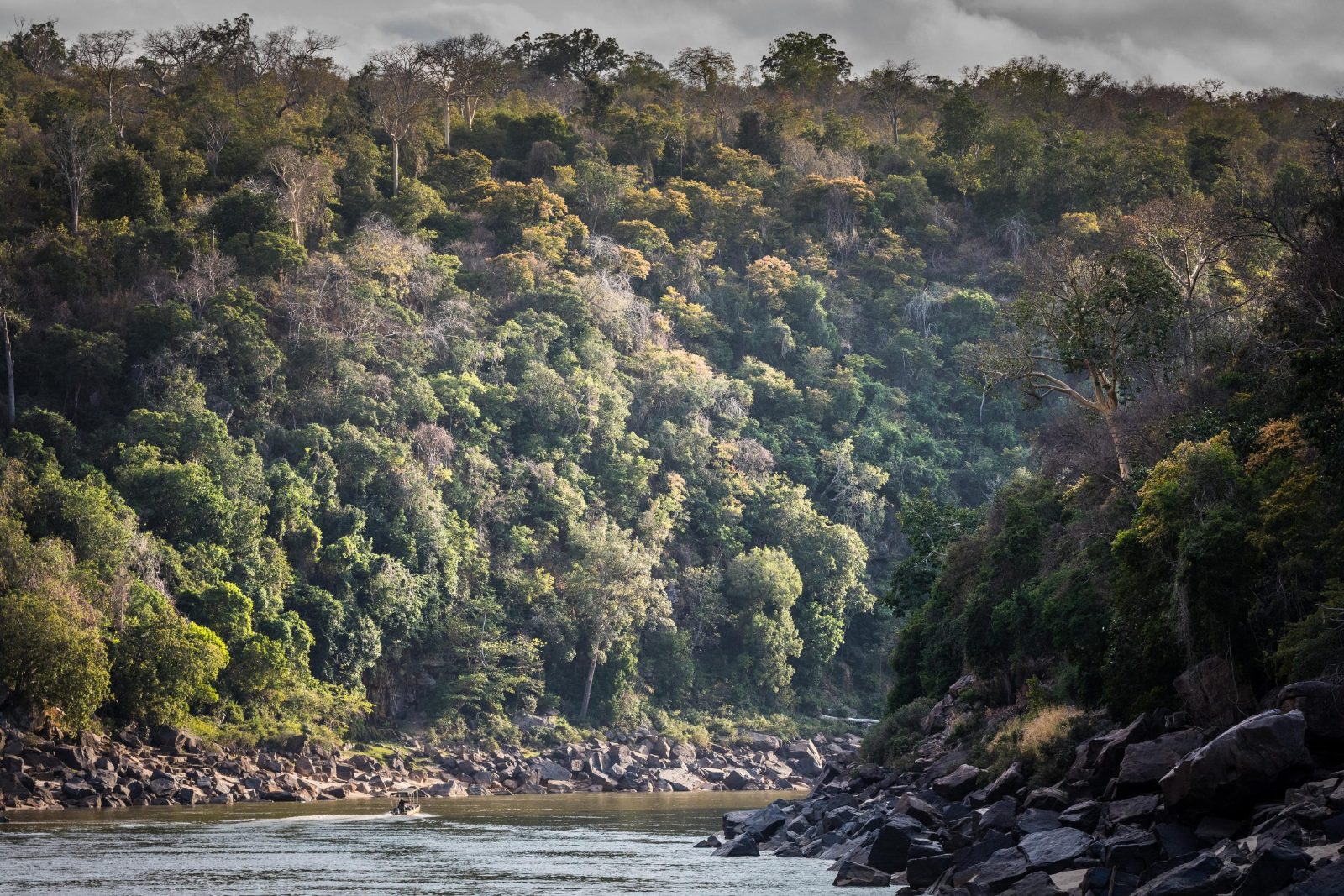
In 2019 its northern third was re-designated as Nyerere National Park, and the photographic Selous safari from Zanzibar now operates almost entirely inside those boundaries. UNESCO inscribed the wider ecosystem as a World Heritage Site in 1982. Its organising feature is water. The Rufiji River drains a basin of roughly 177,000 square kilometres before splitting, near Mtemere, into a chain of oxbow lakes that no road reaches.
Distance dictates the format. About 220 kilometres separate Stone Town from the reserve's northern airstrips, which is why light aircraft, not road transfers, define the modern fly-in safari from Zanzibar; most departures leave the coast soon after first light. The 2 days Selous safari from Zanzibar exists because the river rewards a second morning, when hippo pods and crocodile banks are read from a boat rather than a vehicle. Single-day formats compress the same ground between the gates' 06:00 and 18:00 hours.
Is it safe to go on safari in Tanzania? The reserve answers procedurally. Entry is administered by the Tanzania Wildlife Management Authority, guiding is licensed, firearms travel with rangers rather than guests, and the conservation fee is published rather than negotiated at 50 USD per foreign adult per day. That published tariff is the anchor beneath most estimates of safari cost in Tanzania, and beneath the wider average cost of safari in Tanzania quoted across the industry; Selous safari from Zanzibar tickets are quoted against it, not around it.
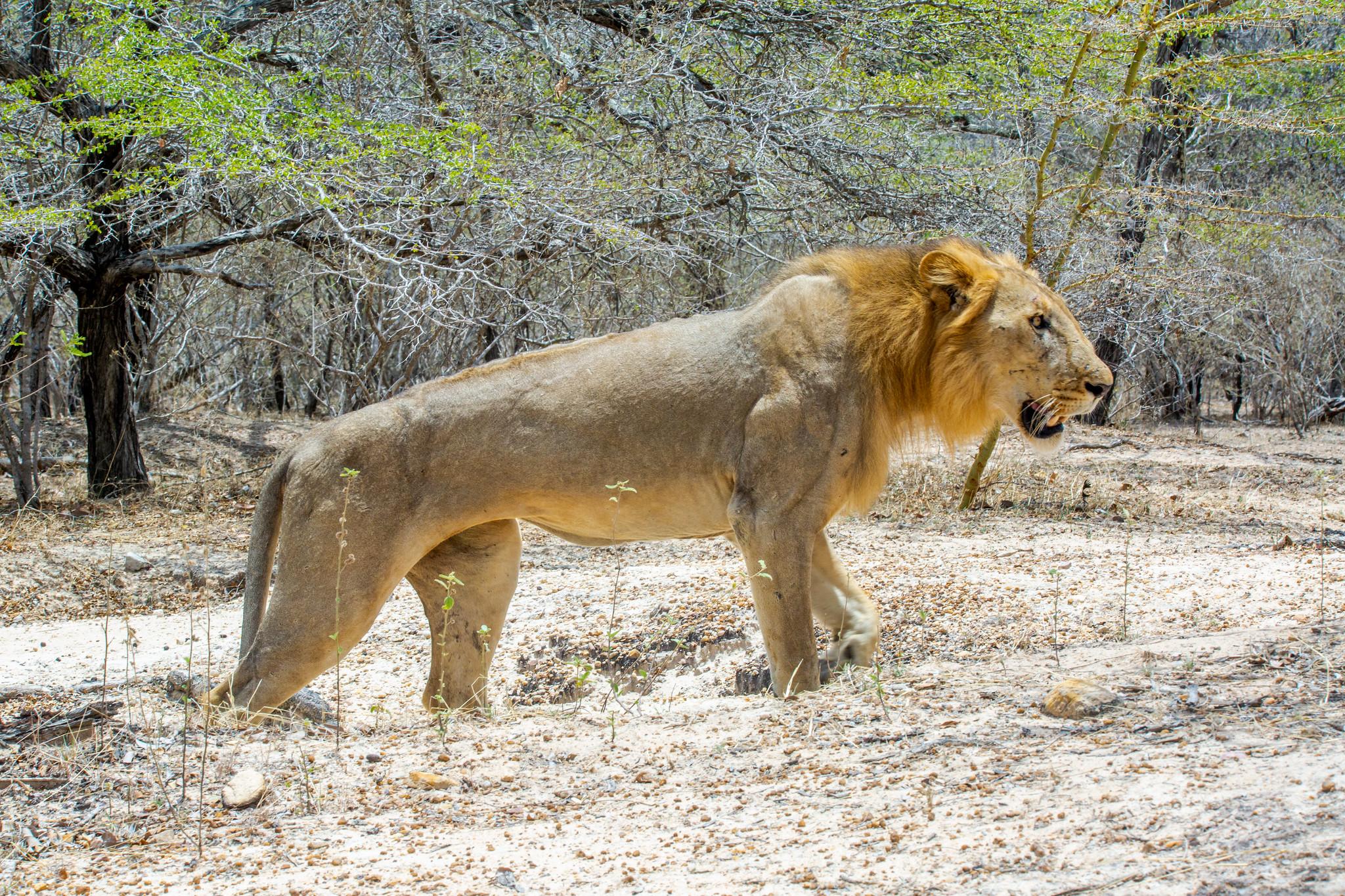
What the reserve protects is density rather than spectacle. It holds one of the continent's largest populations of African wild dog, alongside buffalo, Masai giraffe, greater kudu and sable antelope in the miombo woodland south of the river. Recorded birdlife exceeds 440 species, from Böhm's bee-eater to the African skimmer. Guided Selous safari from Zanzibar tours work both media — open-sided vehicles on the sand tracks, flat aluminium boats on Lake Tagalala and Lake Manze — which is why a safari ya Selous reads differently from the crater and plains circuits of the north. The reserve sits in the Lindi and Coast Regions, and it has never been a landscape that reveals itself quickly.

The Rufiji does not run past the reserve; it is the reserve.
Wear neutral colors, long lightweight layers, and closed shoes; Selous is warm to hot and humid for much of the year. A hat and sun protection help on open-vehicle game drives.
Use a small daypack that can be kept low and secure in the vehicle or boat. Keep valuables zipped and avoid leaving electronics or documents loose during stops or transfers.
Photography is allowed for personal use on safaris, but commercial filming and photography are regulated by TAWA and priced separately. Keep cameras ready for wildlife but never lean out of the vehicle or distract animals for a shot.
The reserve can work for older children who are comfortable with long transfers, heat, and wildlife-viewing rules. Children should stay seated during drives and boat safaris, especially near rivers and large animals.
Access is mainly by road or scheduled flights, so mobility needs depend on the operator’s vehicle and your airstrip transfer. Expect rough tracks, boat landings, and limited paved infrastructure inside the reserve.
Pack water and approved snacks for the journey, but follow operator and lodge rules on eating in wildlife areas. Do not leave food unsecured, because it can attract animals and insects.
Early wildlife activity
Warm by midday
Midweek game-drive day
Clearer morning light
Busier at week’s end
Higher visitor flow
Morning departures work best
Hours
Mon–Sun 06:00 – 18:00
Address
Selous Game Reserve, Lindi and Coast Regions, Tanzania
Access
Road and scheduled flights via nearby airstrips
Best arrival
06:00–09:00 for cooler game viewing
Contact
+255 626 308 149
If a booking is canceled before the operator’s stated cutoff, the trip is typically refundable according to that operator’s terms; otherwise it is non-refundable. The official conservation fee quoted for foreign adults is 50 USD per person per day, so check that any refund policy clearly separates operator service charges from government park fees.
Recommended time
Half a day
For selous safari from zanzibar, plan on a half-day minimum if you are doing a single game drive, with a full day better for a slower pace and more sightings. An early start helps because the reserve opens at 06:00 and the best arrival window is 06:00–09:00, when light is better and temperatures are cooler; the middle of the day is usually the least efficient time for wildlife movement. If you are building a two-day safari, the extra overnight lets you add a sunrise drive and a second, less rushed circuit, while longer itineraries are mainly about covering more habitat and repeating game-viewing loops rather than filling time at one gate.
Crowd levels through the day
The reserve's paper trail begins in 1896, when the German colonial administration of Deutsch-Ostafrika declared a hunting reserve along the Rufiji River. Governor Hermann von Wissmann signed the order. The protected block was small then, a fragment of the miombo woodland that visitors on a selous safari from zanzibar cross today. Boundaries shifted repeatedly under German rule, and again after the First World War. The name arrived in 1922. Frederick Courteney Selous, the English hunter, naturalist and writer, had been killed in 1917 at Beho Beho while serving with the 25th Royal Fusiliers against Lettow-Vorbeck's forces. He was 65. His grave remains under a tamarind tree in the northern sector, and remains a fixture of Selous Game Reserve tours. British administrators renamed the reserve in his memory, then enlarged it across the 1930s and 1940s. Much of that expansion followed sleeping sickness resettlement, which emptied whole villages of people and left the land to buffalo, hippo and wild dog. UNESCO inscribed the reserve as a World Heritage Site in 1982, citing its scale, its undisturbed ecological processes and its elephant population. That population then collapsed. Poaching between 1976 and 2013 reduced elephant numbers from roughly 110,000 to about 15,000, and in 2014 the site was placed on the List of World Heritage in Danger. Nyerere National Park was carved from the northern sector in 2019, covering some 30,893 square kilometres. Anti-poaching patrols funded through entrance revenue followed, and elephant counts have since risen. That conservation history still governs what a selous safari from zanzibar tour looks like. The Rufiji boat safari, the Stiegler's Gorge overlook, the sand rivers and the Beho Beho hills are visited as a working protected area, not a manicured park. Access runs 06:00–18:00 daily, and selous safari from zanzibar tickets are priced at 50 USD for a foreign adult, per person per day. Revenue from selous safari from zanzibar tours funds the ranger posts that made the elephant recovery possible.
The German colonial administration declares a hunting reserve on the Rufiji River under Governor Hermann von Wissmann.
Frederick Courteney Selous is killed at Beho Beho during the East African campaign and buried where he fell.
British administrators rename the reserve in Selous's honour.
Sleeping sickness resettlement empties villages and the protected area is enlarged substantially.
UNESCO inscribes the Selous Game Reserve as a World Heritage Site.
Poaching cuts the elephant population from roughly 110,000 to about 15,000.
The site is added to the List of World Heritage in Danger.
Nyerere National Park is gazetted from the reserve's northern sector, covering some 30,893 square kilometres.
On a selous safari from zanzibar, most visitors eat at their lodge or camp rather than seeking independent restaurants, since the reserve is spread out and dining is built into safari stays. A few properties near the main access points also serve full meals, so your easiest plan is to book board at the camp you’re using and treat lunches as picnic or packed-service meals arranged through the lodge.
The dining veranda serves breakfast, lunch, and table d'hôte dinners with international choices and vegetarian options. It suits guests who want a sit-down meal between game drives, and the riverside setting makes sundowners a natural add-on.
This camp serves meals family style from local ingredients, with a bar and river views that work well after a full day out. It is a practical choice for travelers staying near Kwangwazi who want simple, set meals without leaving the property.
The restaurant and bar are positioned for guests coming through Mtemere Gate, so it is a handy stop for breakfast or dinner on an arrival or departure day. Order the lodge-style meal plans here if you want to keep logistics easy.
This lodge has an on-site restaurant and bar, with buffet-style breakfast and lunch and dinner available in a traditional setting. It fits safari groups that want a reliable all-day dining base close to the reserve edge.
The restaurant is set in a quiet hill location and suits a slower lunch or dinner before heading back out on the road. It works best for guests staying in the Kisaki area who prefer a more polished lodge meal.
Real experiences from real travelers
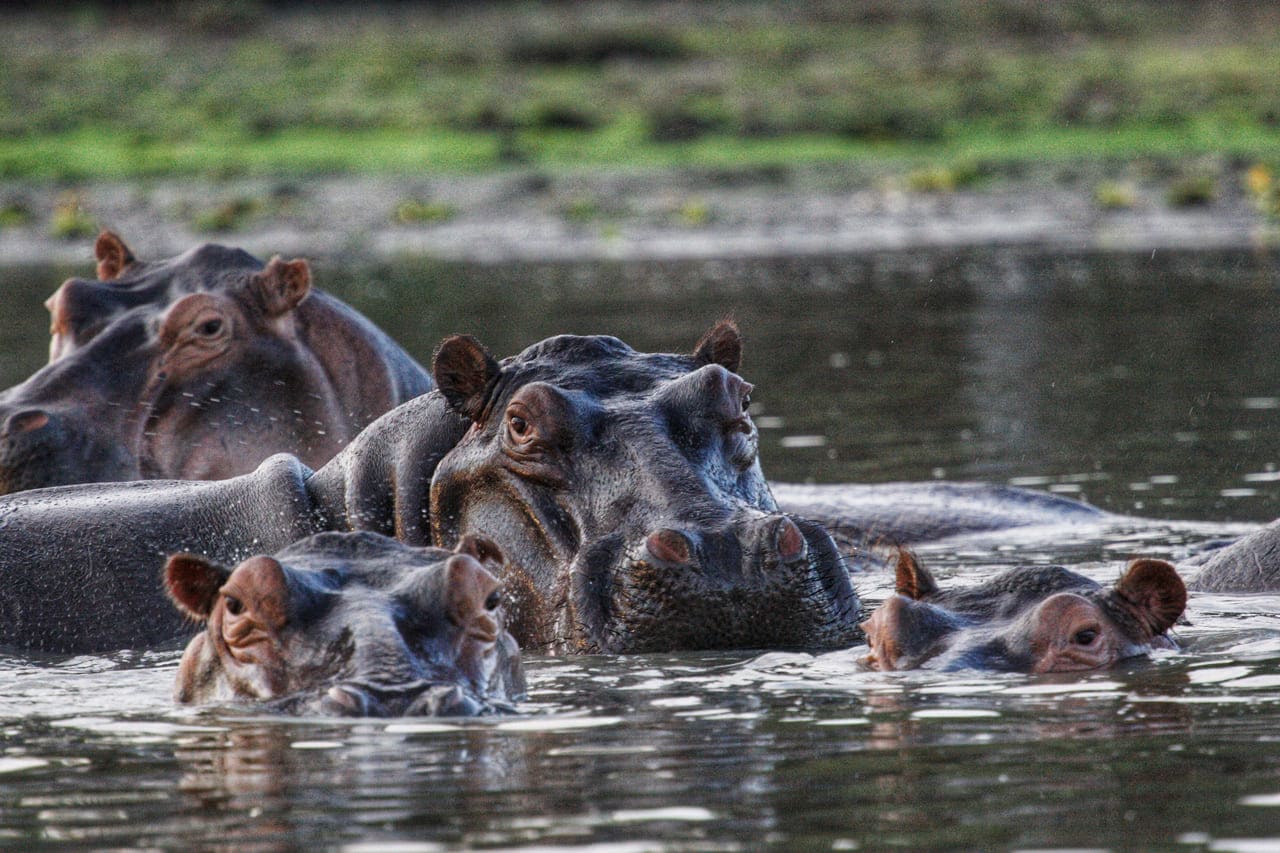
The light aircraft hop over the channel took under an hour and we were on the airstrip before the heat built. Our selous safari from zanzibar tour had us on the Rufiji River by mid-morning, drifting past hippo pods that grunted like idling engines. Dust, borassus palms, and one very unbothered crocodile stretched out on a sandbank.
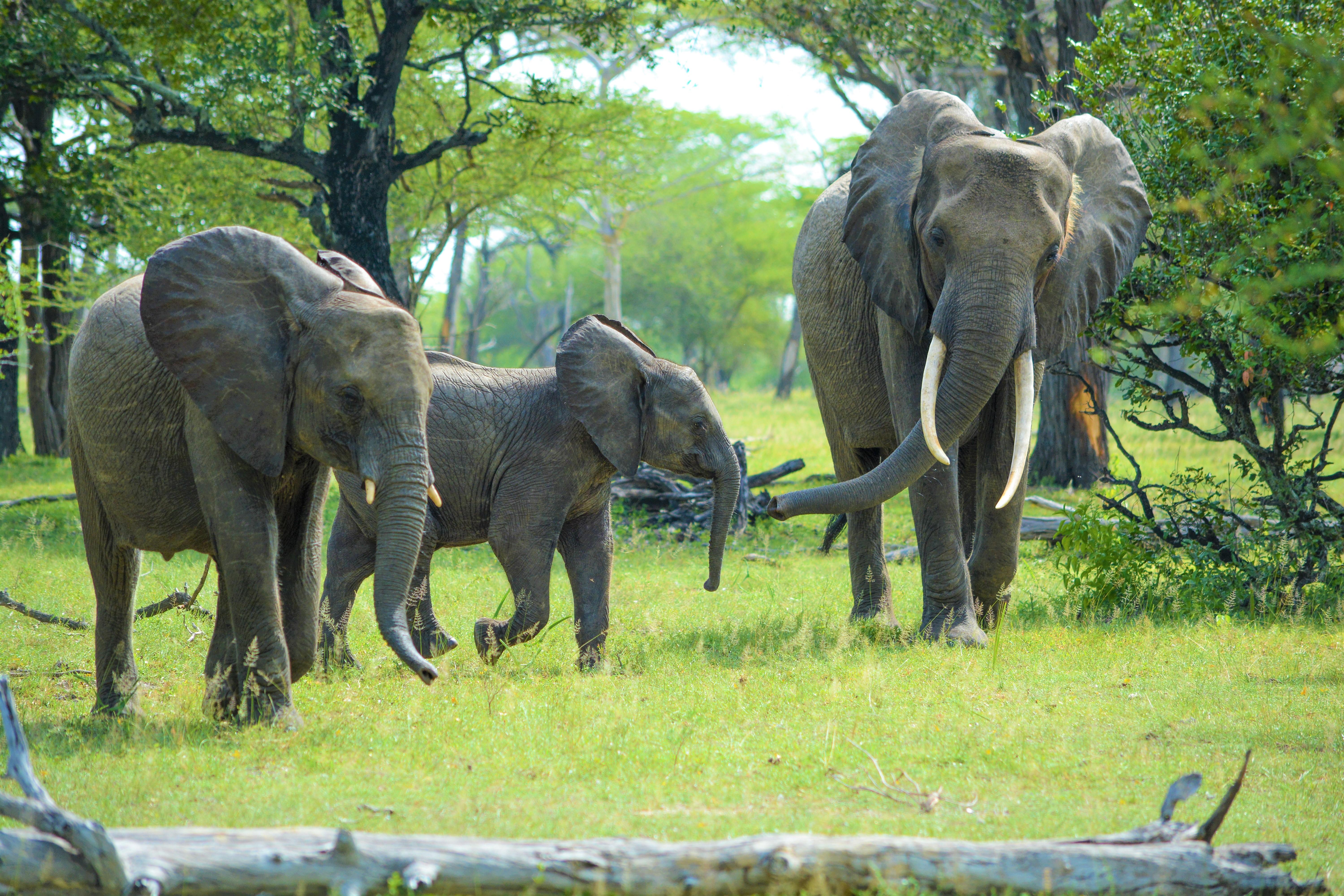
We came across a pack of African wild dogs resting under a doum palm about twenty minutes into the game drive. The guide cut the engine and we sat listening to them pant in the heat. Nyerere National Park feels far emptier than the northern parks, which was exactly what we wanted.
Be ready at the hotel door well before sunrise, because the whole selous safari from zanzibar runs on the flight schedule and nothing waits for late risers. The boat section was the part I keep thinking about, with low sun on the water and elephants crossing in the distance. The plane is small and warm, so pack light and dress for it.
Booking the Zanzibar to Selous day trip was the best decision of our week on the coast. The open boat took us close to sandbanks covered in crocodiles, and the afternoon drive turned up giraffe and a lone bull elephant feeding at the treeline. Midday heat is heavy, so drink more water than you think you need.
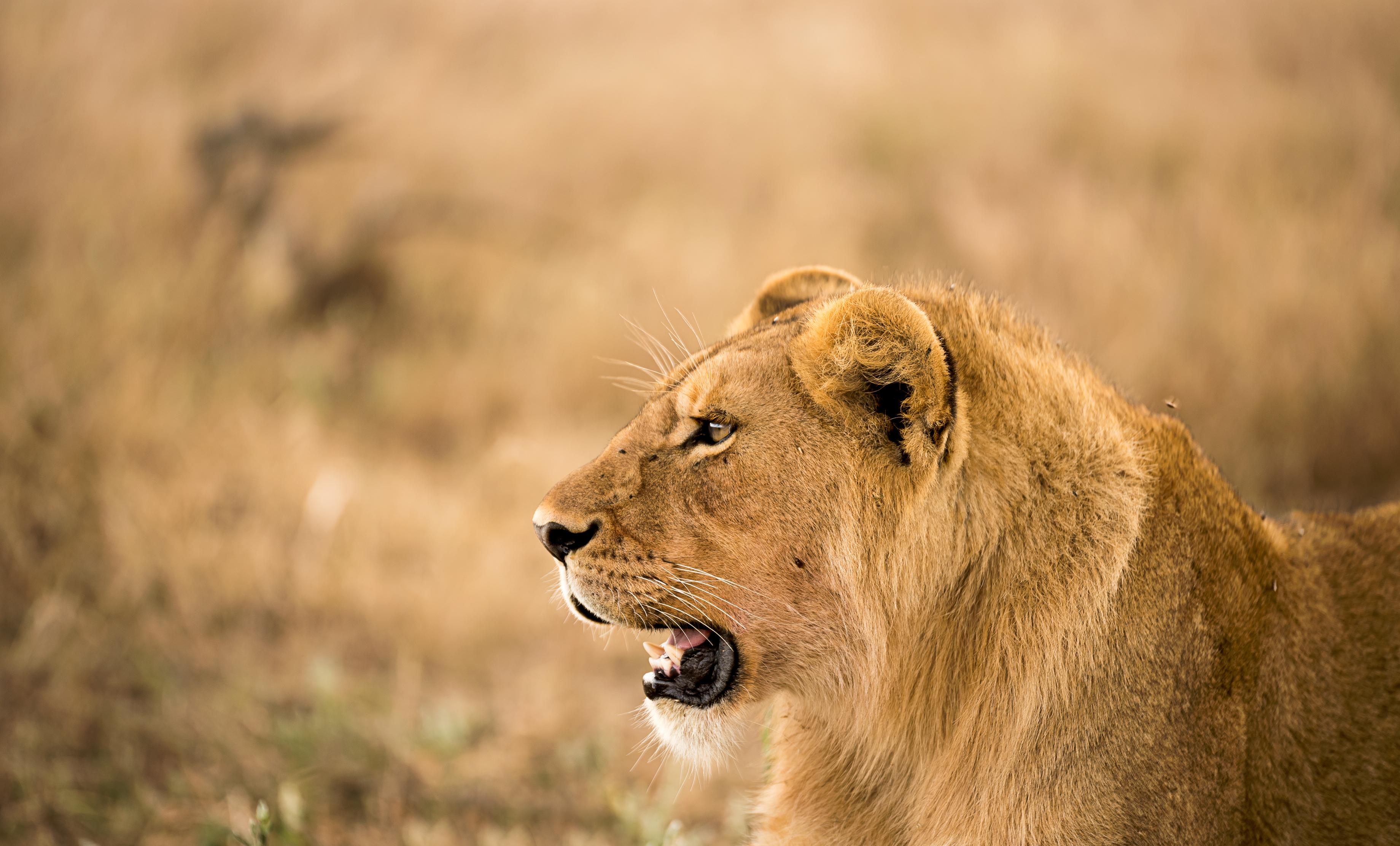
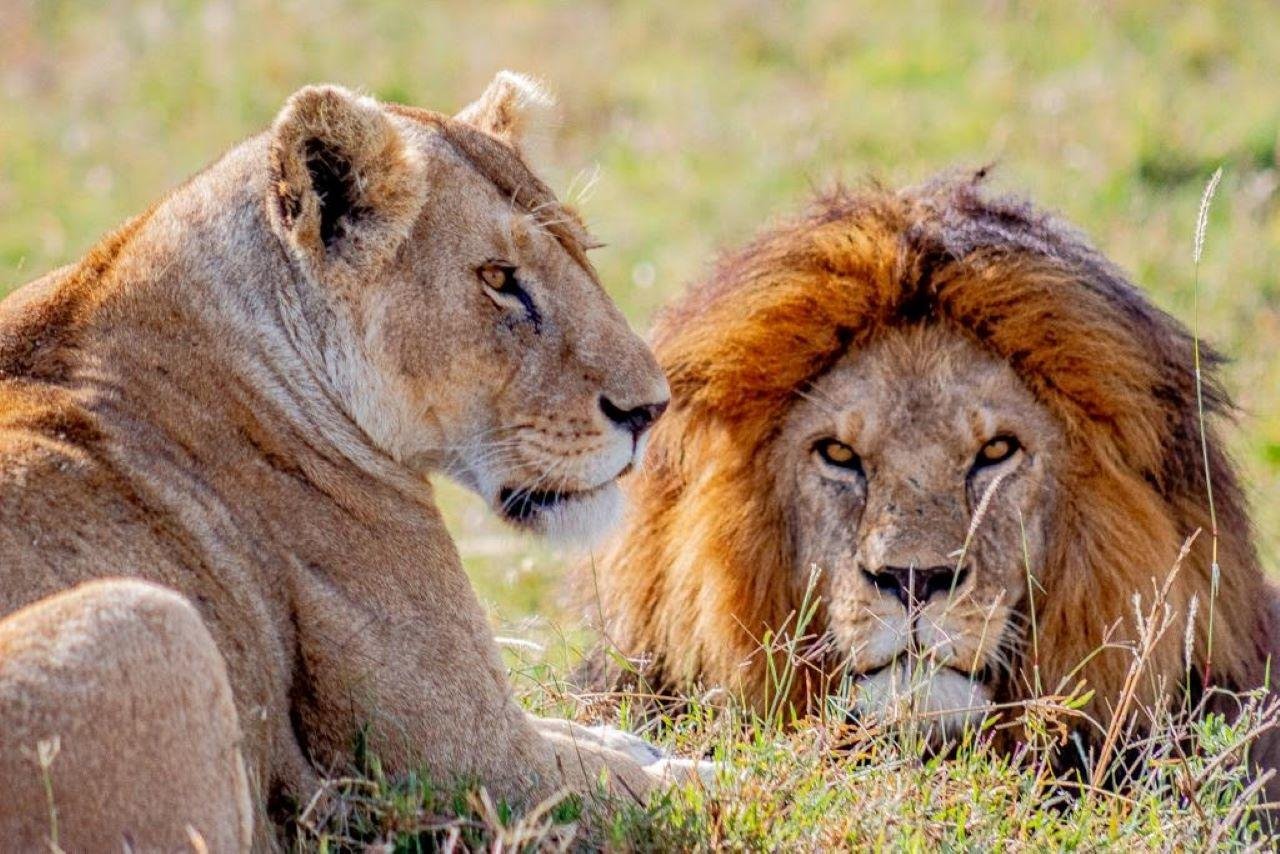
Our selous safari from zanzibar tickets covered the flight, the park fees and the river section, which kept the morning simple. From the air you can see the Rufiji braiding into channels before it narrows toward Stiegler's Gorge. On the ground the grass was still tall and green, and we found two lionesses lying flat in it.
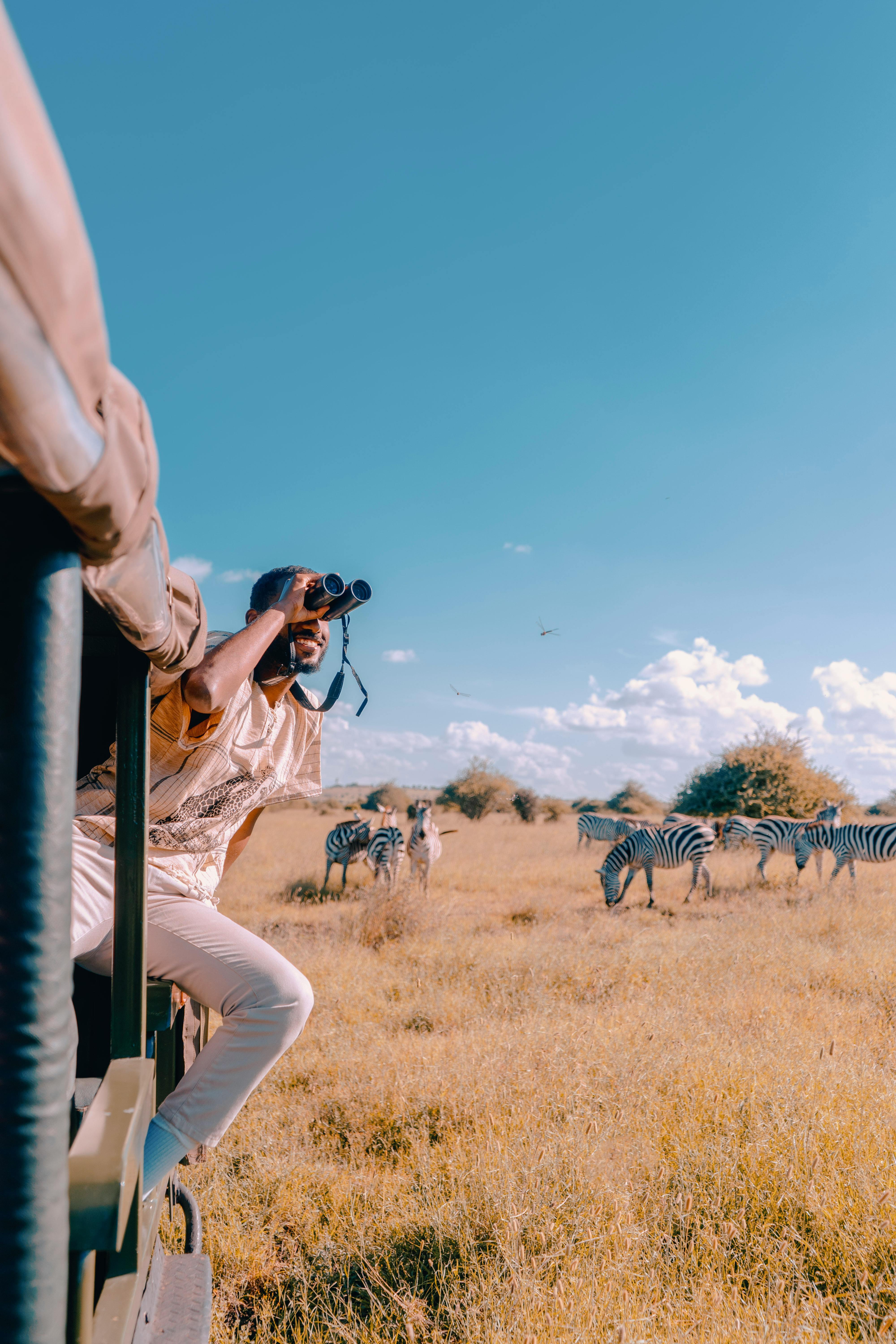
The river was thick with hippos and our boatman knew precisely how far back to hold the engine. This is a UNESCO World Heritage area and it shows in how undeveloped it feels, since we passed maybe three other vehicles the entire day. Bring binoculars, because a lot of the sightings sit at distance.
A selous safari from zanzibar was the one inland thing we did and it reframed our whole holiday. Our guide could name every call before we saw the bird, from fish eagles to a woodland kingfisher somewhere above the track. Late in the afternoon the dust turned gold behind the vehicle and nobody spoke for a while.
The Coastal Aviation flight is tight and bumpy over the channel, so take something beforehand if you are prone to motion sickness. Once we landed at Mtemere the landscape opened into miles of palm and acacia with nobody in it. We did not see cats, but the elephant herd near Lake Manze more than covered for it.
Ours was a fly-in Selous game reserve tour that finished with the boat pulled up on a sandbank as the sun dropped behind the palms. The crew call it safari ya Selous kutoka Zanzibar and they clearly love working out there. Yes, the selous safari from zanzibar is a long stretch of travel for one day, though the river alone settles that question.
Everything you need to know for your journey
Selous Game Reserve is open daily from 06:00 to 18:00. The official site places the reserve in Lindi and Coast Regions, Tanzania.
Yes. The weekly hours are the same from Monday through Sunday, so selous safari from zanzibar can be planned any day of the week.
The official foreign adult entrance fee is 50 USD per person per day. That figure applies to the Selous Game Reserve conservation entry listed by TAWA.
The best arrival window is 06:00–09:00. That window gives better light and cooler temperatures for game viewing in Selous Game Reserve.
You can reach Selous Game Reserve by road or by scheduled flights from Dar es Salaam, Arusha, and Zanzibar to airstrips inside the reserve. If you are choosing selous safari from zanzibar tour options, confirm the exact airstrip and pickup plan with the operator.
Wear light, neutral clothing and closed shoes, and add a hat for sun protection. The reserve climate is warm to hot and humid, with cooler conditions from June to August.
Small bags are easiest to manage on game drives and boats. Leave prohibited items such as drones without permits, firearms, and plastic bags out of your packing list for selous safari from zanzibar tickets arrangements.
Personal photography is allowed for safari use. Commercial photography and filming require separate permission and fees under TAWA rules.
Yes, but it is better for children who can handle long transfers and follow vehicle-safety rules. Boat and walking activities may have stricter operator age or supervision requirements.
Bring your own water and follow operator instructions on where eating is allowed. Do not feed wildlife or leave food exposed in the vehicle.
The reserve pairs well with Kilwa Masoko on the coast and with Dar es Salaam or Morogoro as transit points. Those stops are the most practical additions around a selous safari from zanzibar tour.
Refund terms depend on the operator’s cutoff, but park fees should be treated separately from tour service charges. If the booking is canceled before the deadline, the operator’s policy governs whether any refund is issued.
Join thousands of happy travelers who have discovered this incredible experience
Book Your Experience Now